
Physical activity supports overall well-being, but it also carries the risk of injury. Your body faces stress during athletic movements. When that stress exceeds what muscles, bones, or joints can handle, a sports injury occurs. These injuries range from mild strains that resolve quickly to serious conditions that call for medical attention.
What Is a Sports Injury?
A sports injury refers to harm to the body that happens during physical activity or exercise. These injuries can affect bones, joints, muscles, ligaments, and tendons. They appear across many activities, including running, basketball, and tennis, and both casual participants and trained athletes may experience them. Some injuries develop suddenly from a single event, such as a fall or a hard twist. Others build up slowly over time due to repeated stress on the same area. Common sports injuries include:
- Sprains: This occurs when a ligament, the tissue that connects bones at a joint, is stretched or torn.
- Muscle Strains: These injuries involve stretching or tearing muscle fibers.
- Tendon Injuries: Tendons connect muscle to bone, and overuse or sudden force may cause inflammation (tendinitis) or tears.
- Fractures: A fracture is a break or crack in a bone, which can range from a minor stress fracture to a complete break.
- Joint Dislocations: This injury happens when the end of a bone is forced out of its normal position within a joint.
Identifying a sports injury involves monitoring your body’s physical condition and sensations following physical activity.
How Is One Diagnosed?
The symptoms of an injury can differ depending on many factors, such as its location, type, and severity. Some indications may be apparent immediately, but others develop or intensify over time. Common warning signs include swelling, bruising or skin discoloration, sudden or sharp pain, tenderness to the touch, and weakness in the affected limb or joint.
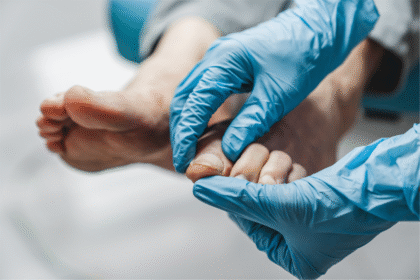
You might also experience difficulty walking, bearing weight, or notice that the pain worsens with movement. A clinical assessment typically starts with a discussion about the circumstances of the injury and your specific symptoms; this is usually followed by a physical examination to evaluate your strength, range of motion, and precise areas of pain. X-rays help reveal fractures and bone-related problems. MRI scans show soft tissues, such as ligaments, tendons, and muscles, in greater detail.
What Can Rehabilitation Involve?
Treatment depends on the type and severity of the injury. Many cases respond well to conservative care that supports the body’s natural healing process, but more serious injuries may call for more invasive procedures. Conservative treatment options vary, including:
- RICE Method: Rest, ice, compression, and elevation, often used to reduce pain and swelling in the early stages
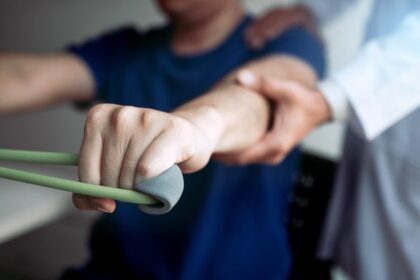
- Exercise Guidance: Physical therapy aims to restore strength, flexibility, and range of motion
- Immobilization: The use of a cast, brace, or splint to limit movement while tissue heals
- PRP Therapy: Platelet-rich plasma treatment that uses components from your own blood to support recovery
When an injury is more severe, or when conservative methods do not bring the desired result, surgery can be recommended. Many surgeries today use minimally invasive techniques, and these often involve smaller incisions and may shorten recovery time. A medical provider can explain which option fits your situation best.
Seek Professional Orthopedic Care
A sports injury may interrupt your routine and affect your ability to stay active. Working with an orthopedic professional gives you access to accurate diagnosis, a personalized treatment plan, and guidance throughout recovery. Specialists can also help you understand your condition, including what to expect at each stage. Reach out to an orthopedic provider to discuss your symptoms and find the care that supports a full and steady recovery.