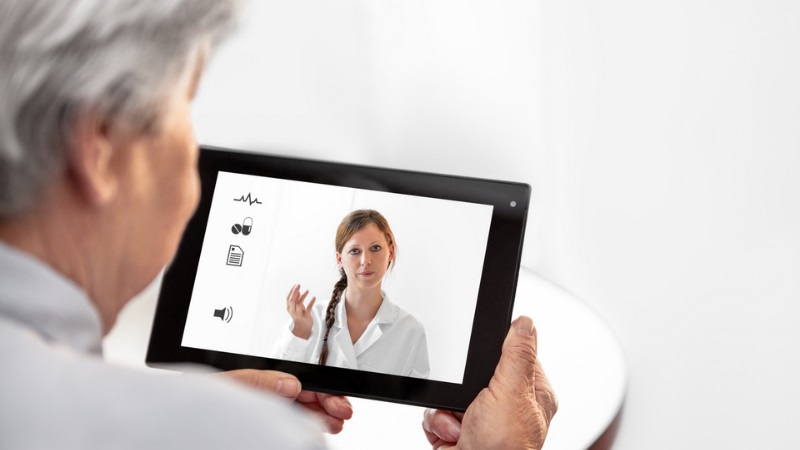

Telehealth refers to medical care delivered through video calls, phone calls, or secure messaging instead of an in-person visit. Patients connect with licensed providers from home using a computer or mobile device. The service covers many routine needs, and it has expanded across most areas of general medicine. Knowing when a virtual appointment fits a situation helps patients select the right type of care.
Contagious Illnesses
A virtual telehealth visit limits contact with others, which is helpful when patients have a contagious illness that spreads through coughing or close contact. Symptoms such as fever, sore throat, and congestion often point to common infections that a provider can assess on camera. Many patients prefer to stay home during these periods. Because exposure to others remains a concern, a remote consultation keeps the sick person isolated while still allowing a provider to review the symptoms.
Some infections require a clear description of timing, severity, and progression rather than a physical exam. A provider may ask about the start date of symptoms, recent contact with sick individuals, and any existing health conditions. Telehealth supports this kind of detailed history. The format works well, and it gives the provider enough information to recommend rest, fluids, or further testing.
Expired Prescriptions
When a medication runs low, a telehealth appointment offers a method to request a renewal without traveling to a clinic. Patients with stable conditions, such as managed blood pressure or ongoing allergy treatment, often need only a brief check-in before a refill is approved. The provider reviews the current dosage and recent symptoms to be sure the prescription still matches the patient’s needs. This process is efficient, and it keeps the treatment plan on schedule.
Common Conditions
Many minor conditions match the structure of a virtual appointment because they rely on visible signs and verbal description. Skin rashes, pink eye, and seasonal allergies fall into this group. A provider can view affected areas through the video call. Since these conditions rarely demand hands-on testing, a remote visit gives the provider enough detail to suggest a treatment path.
Urinary discomfort, mild digestive complaints, and headaches also suit telehealth evaluation. The provider gathers a history that covers frequency, duration, and any other related factors. A clear account of the problem and symptoms guides the next step. The discussion stays focused, and it allows the provider to decide whether home treatment or an in-person follow-up makes sense.
Mental health support represents another category that fits the virtual format well. Patients can describe mood changes, sleep patterns, and stress levels during a scheduled session that follows a structured set of questions. Privacy at home suits many of these conversations. The session remains confidential, and it provides a space where a provider can review concerns and adjust a care plan as needed.
Schedule a Telehealth Visit
Telehealth fits a range of situations that can be diagnosed without an in-office visit, and treatment can be prescribed at the same time. A patient who is busy, ill, or unable to visit an office often benefits from these appointments. To arrange a consultation with a licensed provider, contact a medical office to find out if they offer online care.