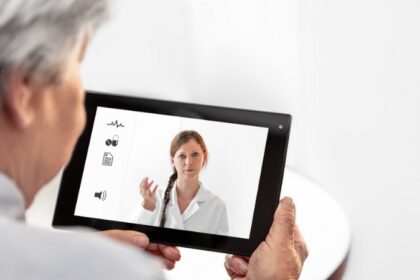

Couples therapy has traditionally taken place in an office, with both partners meeting a therapist in person. Telehealth couples therapy has changed how that support can be delivered. Couples can now meet with a licensed therapist through video calls, phone sessions, or secure messaging. This shift makes ongoing relationship support easier to fit into daily life.
What Is Telehealth Couples Therapy?
Telehealth couples therapy is relationship counseling delivered through digital tools rather than in a physical office. Sessions usually happen over video, though some therapists also offer phone calls or written check-ins between meetings. The format and goals are the same as traditional therapy. A licensed therapist works with both partners to address communication patterns, recurring conflicts, and shared goals.
The main difference is location. Both partners join from home or another private space using a computer or phone. The therapist guides the conversation just as they would in person, using the same methods and structure. This makes the experience familiar while removing the need to travel to an appointment.
Who Needs It?
Telehealth couples therapy suits a wide range of situations. Some couples seek it when ongoing disagreements start to affect their daily interactions. Others use it to strengthen communication before problems grow. It can also help partners adjust to major changes, such as a new job, a move, or the arrival of a child.
Distance is another common reason. Couples in long-distance relationships can attend the same session from separate locations. Partners with demanding schedules, frequent travel, or limited access to nearby therapists may also find this format more workable. In short, it fits couples who want consistent support but face barriers to attending in-person sessions.
What Are the Benefits?
The most practical benefit is accessibility. Sessions can take place from any private location with an internet connection. Scheduling flexibility is a related advantage. Many telehealth therapists offer appointment times outside standard office hours. Couples can often book sessions during evenings or shorter windows in the day, which makes regular attendance easier to sustain.
Consistency follows from that flexibility. Relationship progress depends on meeting regularly rather than in scattered sessions. Because telehealth reduces common reasons for missed appointments, couples are more likely to keep a steady rhythm. This supports continuity of care, meaning the same therapist can follow a couple’s progress without interruption even if one partner travels.
Telehealth also supports communication directly. Practicing new conversation habits at home, in the same environment where conflicts often occur, can make those skills easier to apply day to day. Some therapists assign exercises between sessions and review them at the next meeting, which reinforces steady progress.
Together, these factors make telehealth a useful tool for relationship maintenance. The format encourages regular attention to a relationship rather than treatment only during a crisis.
How to Get Started
Start by talking with your partner about your goals. Agreeing on what you both want from therapy helps you choose the right approach.
Next, look for a licensed therapist who offers telehealth services and has experience with couples. Check their credentials and confirm they are licensed to practice in your state. Many directories let you filter by specialty and session format.
Before your first session, set up a quiet, private space where you both feel comfortable speaking openly. Test your internet connection and the video platform in advance so technical issues do not interrupt your time.
Finally, commit to a regular schedule. Consistency matters more than the length of any single session. By treating your appointments as a standing part of your week, you give your relationship steady, ongoing support.