

Ankle sprains are common musculoskeletal injuries treated in sports medicine clinics. When patients frequently engage in high-impact activities, they may face a heightened risk of ligament damage. Medical professionals effectively treat these injuries, and they may recommend specific interventions to minimize recurrence. The shoes an athlete wears influence joint stability. By understanding the mechanics of this injury, individuals can make informed decisions about their athletic gear.
What Is an Ankle Sprain?
An ankle sprain involves the stretching or tearing of ligaments. When a joint moves outside its normal range of motion, the fibrous bands connecting the bones sustain damage. Medical providers classify these sprains into three grades based on severity. A grade one sprain indicates mild stretching, while a grade three sprain signifies a complete ligament tear.
The severity of the sprain dictates the corresponding treatment plan. When a patient experiences a grade one injury, they may report mild tenderness and minimal swelling. Grade two sprains involve partial ligament tears, and patients often exhibit noticeable bruising and limited mobility. A grade three sprain presents with severe pain and structural instability. When the ligament is completely severed, the patient cannot bear weight on the affected limb.
What Causes It?
Several biomechanical and environmental factors contribute to ankle injuries. If an individual lands awkwardly from a jump, the ankle can roll inward. This sudden inversion stresses the lateral ligaments, and the resulting force causes tissue damage. Additional scenarios include:
- Landing on an uneven surface during athletic competition
- Stepping on another athlete’s foot during a pivot
- Running on irregular terrain without adequate stabilization
If an athlete possesses poor baseline balance, their neuromuscular control cannot correct sudden joint displacements. Previous injuries leave scar tissue, and this compromised tissue lacks the elasticity of normal ligaments. Anatomical variations also influence individual susceptibility.
How Are Ankle Sprains Prevented?
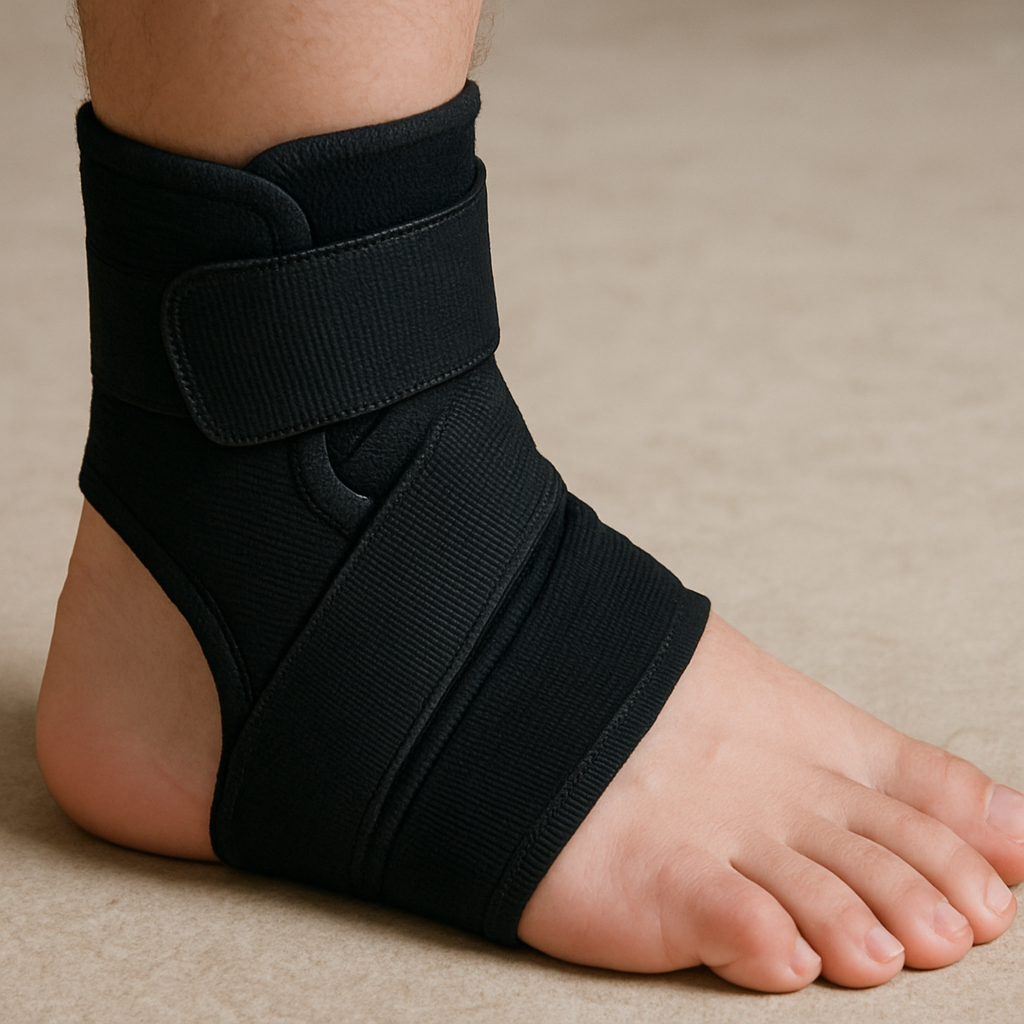
Injury prevention requires a multifaceted approach to joint stabilization. Muscular strength dictates joint control, and physical therapy exercises build the surrounding muscles. Patients can perform proprioceptive drills, which improve the body’s spatial awareness. Taping and bracing offer additional external support during physical activity. When patients adhere to a prescribed conditioning program, they may experience fewer instances of ligament damage.
How Is Proper Footwear Beneficial?
Athletic shoes provide necessary mechanical support to the lower extremities, and since different sports involve unique movement patterns, shoes are designed to address specific biomechanical demands. Basketball shoes feature high-tops for lateral stability, and running shoes offer specialized cushioning for forward momentum. A rigid heel counter locks the foot in place. By minimizing internal foot movement, the shoe helps prevent the ankle from rolling during sudden directional changes.
Outsole traction also influences joint safety. When a shoe grips the playing surface securely, the athlete can maintain controlled movement. Worn-out treads cause slipping, and this loss of traction places unexpected torque on the ankle ligaments. If the shoe provides inadequate shock absorption, the joints endure excessive stress. Midsole cushioning absorbs impact forces during landing.
Shoe replacement schedules can impact injury rates. After an athlete logs significant mileage in a specific pair, the shoe’s structural integrity degrades. The foam in the midsole compresses, and the heel counter loses its rigid support. By wearing shoes with intact structural components, patients protect their lower-extremity joints.
Consult a Specialist Today
Medical evaluation provides accurate diagnoses for musculoskeletal injuries. While rest helps mild sprains heal, severe injuries require professional medical intervention. Sports medicine physicians assess joint stability, and they develop targeted recovery protocols. Schedule an appointment with a clinic for a comprehensive evaluation.