

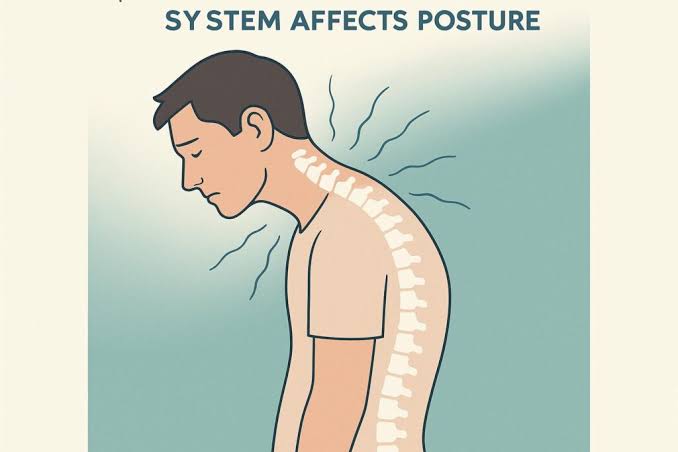

Stress contributes to neck pain by increasing muscle tension, affecting posture, and disrupting sleep and daily movement. When stress becomes prolonged, tightness in the neck and shoulders may worsen discomfort and limit mobility. Here is an overview of the impact of stress on neck pain:
Connecting Stress and Tension
Stress triggers a physical response; your muscles react by tightening as part of that reaction. When stress lingers, the muscles around your neck and shoulders may stay contracted for long periods, which limits blood flow and increases strain. Over time, this ongoing tension can lead to stiffness, neck pain, and reduced range of motion that people often struggle to explain. Your body treats stress as a signal to prepare for action, and that response was never meant to last for hours or days. Prolonged tension keeps the neck muscles in a guarded state, and this constant load can irritate surrounding tissues.
Recognizing Stress-related Pain
Stress-related neck pain often follows recognizable patterns, and identifying them may help you connect your symptoms to their source. These patterns may differ from pain caused by injury alone, though they can overlap. The following signs point to a possible stress component:
- Tension during high-pressure periods: Pain frequently worsens during demanding weeks, and it may ease once the pressure lifts.
- Stiffness upon waking: Clenching muscles overnight can leave your neck tight in the morning, especially after stressful days.
- Pain paired with headaches: Tight neck muscles often contribute to tension headaches.
- Shoulder involvement: Stress-related tension rarely stays isolated, so discomfort often spreads across the shoulders and upper back.
- Flare-ups without new injury: Pain that returns without a clear physical cause may signal that stress is driving the pattern.
Breaking the Cycle
Stress and neck pain often worsen each other, creating a loop that may be difficult to break. Pain increases your stress levels, and that added stress tightens your muscles further, which then worsens the pain. A specialist can assess your neck, identify the sources of tension, and recommend treatments that target both sides of the problem. Nonsurgical options may include physical therapy, guided movement, and interventional procedures that reduce inflammation or ease nerve irritation. When these approaches work alongside stress management, you give your body a better chance to reset.
Managing Stress and Neck Pain
You can take several helpful steps to manage stress and reduce its effect on your neck. These practices support professional care, and combining them often produces stronger results. The following strategies offer a practical starting point:
- Practice regular movement: Gentle stretching and walking loosen tight muscles, and regular activity helps release built-up tension.
- Improve your posture: Poor posture adds strain, so adjusting your workspace and screen height may reduce daily load on your neck.
- Use relaxation techniques: Slow breathing and mindfulness calm the stress response, and this may lower muscle tightening.
- Prioritize sleep: Quality rest supports recovery, and a supportive pillow can keep your neck aligned through the night.
- Seek professional guidance: A specialist can tailor treatment to your needs, and personalized care addresses the specific causes behind your pain.
Resolve Your Neck Pain Today
Stress and neck discomfort are closely connected; each one can intensify the other when left unaddressed. Addressing the pain requires a comprehensive approach that includes identifying common causes, incorporating preventive measures, and seeking professional support. You can significantly reduce strain and promote long-term wellness by understanding the factors behind your discomfort and implementing supportive habits. To resolve your neck pain, contact a qualified pain specialist in your area to schedule your appointment today.