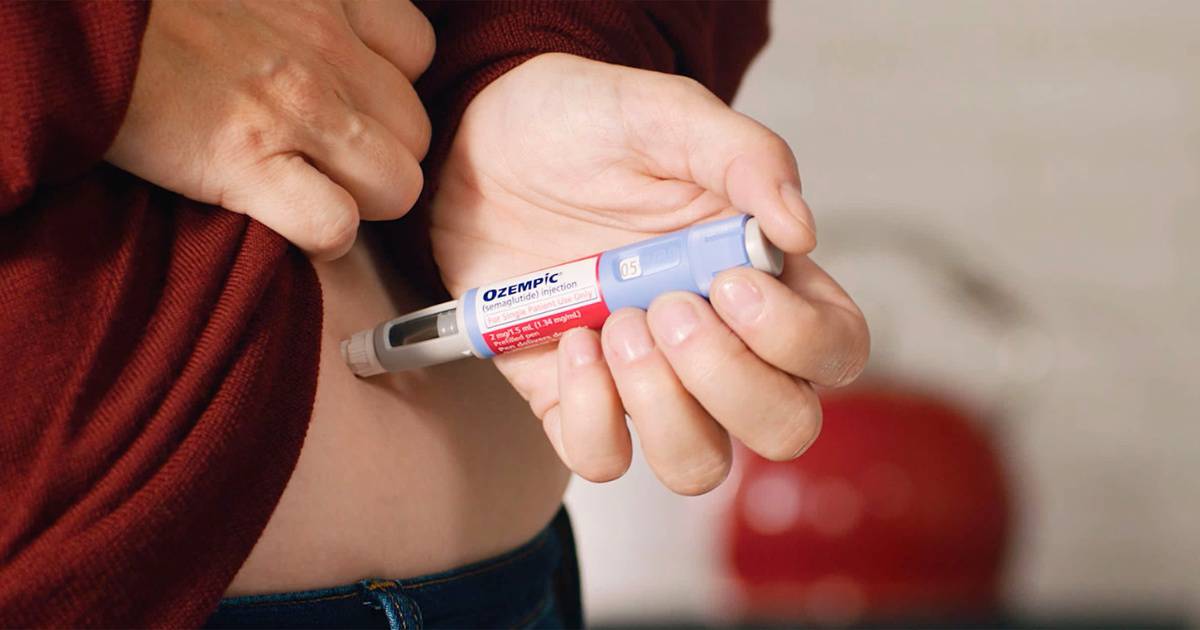

People seek effective medical interventions for weight loss when diet and exercise alone do not achieve results, and certain medications can be used for this purpose. This class of drugs alters the body’s digestive processes and hunger signals. Here is more information about one drug that can aid in weight loss, semaglutide:
Understanding Semaglutide Mechanics
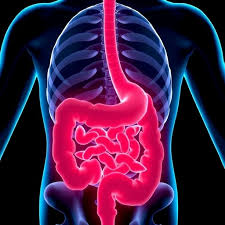
Healthcare professionals prescribe semaglutide to treat type 2 diabetes and chronic obesity. When patients take this prescribed medication, it mimics a hormone naturally produced in the intestines. This natural hormone targets areas of the brain that regulate appetite, and it slows gastric emptying.
Because the stomach empties more slowly than normal, individuals feel full for longer after meals. The digestive system processes consumed food at a reduced speed. Medical providers monitor this physiological change, and they adjust patient dosages accordingly. The body becomes accustomed to taking in less food, and this leads to weight loss.
Identifying Ideal Candidates
Physicians prescribe weight loss drugs based on clinical criteria. Candidates typically have a high body mass index, or they present weight-related medical conditions. Because individual health history plays a role in the safety of the medication, providers evaluate several factors before starting treatment.
Some of these factors may include:
- Existing cardiovascular health status
- Current fasting blood sugar levels
- Previous clinical weight management attempts
- Family history of endocrine disorders
Your doctor may also conduct a thorough physical examination to verify your eligibility.
Experiencing Various Benefits
Patients may experience a shift in their hunger levels shortly after starting the regimen. If food cravings diminish, some individuals lose their desire for high-fat meals. The medication signals the brain to stop eating sooner than normal, so daily portion sizes naturally decrease over time.
There may also be improvements in blood sugar regulation, which is particularly beneficial for individuals with type 2 diabetes. Over time, this medication can contribute to lower hemoglobin A1c levels, and this helps to reduce long-term complications associated with high blood glucose. Some patients may experience positive changes in energy levels.
When taking this medication, you should still be paying attention to your nutrition and exercise habits. Focus on incorporating more whole foods such as fruits, vegetables, lean proteins, and whole grains; reduce processed and high-sugar items. Regular physical activity, such as walking, swimming, or strength training, is also recommended to improve energy levels and support weight management.
Managing Potential Reactions
Every medical treatment carries the possibility of minor adverse reactions. As the body adjusts to the medication, patients may experience mild gastrointestinal discomfort. These symptoms usually resolve independently within weeks, but individuals should track their daily occurrences. Common physical responses include the following mild symptoms:
- Occasional nausea and unexpected vomiting
- Mild diarrhea or temporary constipation
- Abdominal pain and trapped bloating
Most side effects remain highly manageable with basic daily dietary modifications. Eat smaller meals throughout the day, and drink plenty of water. If symptoms become severe or persistent, you should contact your healthcare provider.
Learn More About Semaglutide
The process of losing weight with this medication involves physiological changes and altered eating habits. The drug reduces your overall appetite, and it helps you achieve sustainable weight reduction. While mild digestive issues can occur during the initial phase, medical supervision helps you adjust your dose and monitor your progress. If you want to learn more about semaglutide for weight loss, consult a weight loss specialist near you.