
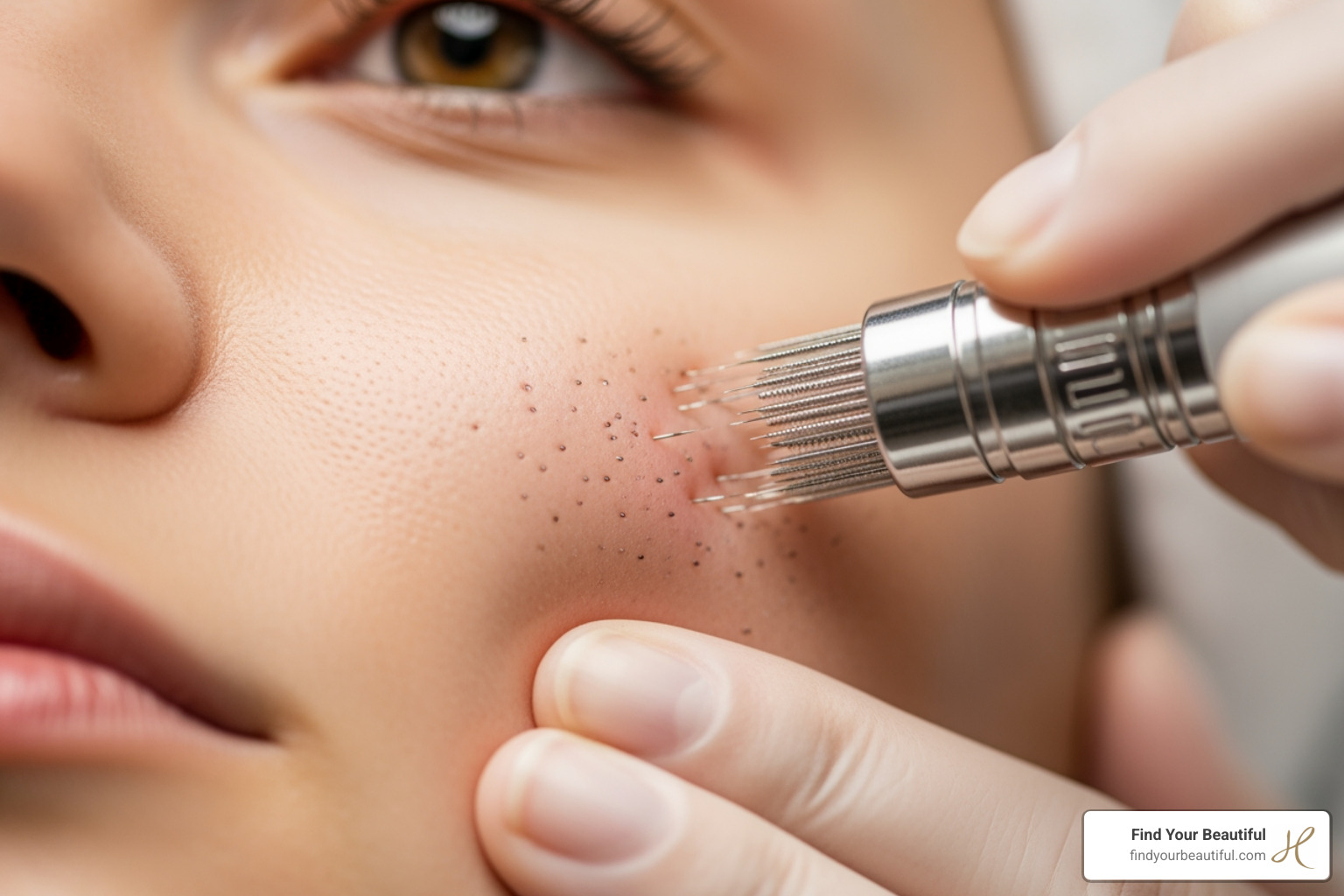

Microneedling is a minimally invasive cosmetic procedure used to address various skin concerns, including fine lines and wrinkles. To complete the treatment, a trained provider uses a device with fine needles to create controlled, microscopic punctures in the skin; this stimulates the skin’s healing process. Understanding each step can help you prepare appropriately, ask informed questions, and follow aftercare guidance. Here is more information about the procedure and how to optimize your treatment experience:
Defining the Procedure
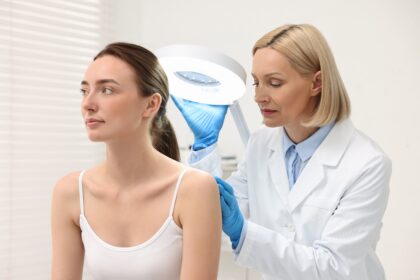
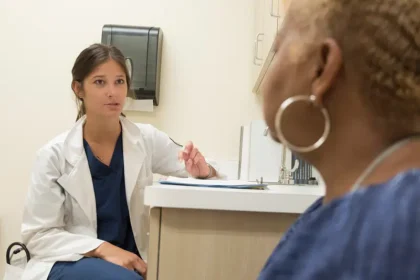
A microneedling appointment begins with a review of your skin history, current products, and treatment goals. Your provider may ask about:
- Topical products
- Recent cosmetic procedures
- Sun exposure
- Medications
This information helps the clinic determine how to structure the visit and whether additional preparation steps apply. The provider may take photos for documentation, explain the device setup, and outline the timing for the appointment. This review creates a fundamental record for the session. Some clinics also apply a topical numbing product before the procedure; this product remains on the skin for approximately 30 to 45 minutes before removal.
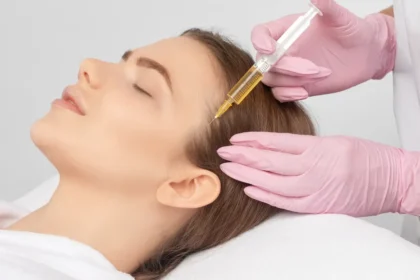
The provider then cleans the area according to clinic protocol and begins the microneedling process. During the procedure, the provider slowly moves a handheld device across the selected treatment area. They follow a controlled pattern, and they may adjust their technique or the needle depth as they work across different areas.
Preparing Your Skin
Preparation often begins prior to your appointment. Follow all pre-treatment instructions provided by your clinician, particularly if you are advised to temporarily discontinue certain products. The clinic may supply guidance regarding exfoliants, retinoids, and other active skincare ingredients; these directions should serve as your primary reference.
Arrive with clean skin unless otherwise instructed by the clinic. If you use prescription skincare, consult your provider on how it should be incorporated into your preparation plan to promote alignment with clinical guidance. Sun exposure is also a key factor in scheduling; your provider may ask about recent tanning, sunburn, or significant outdoor exposure. Providing accurate information helps the clinic determine whether to proceed or reschedule if necessary.
Asking Helpful Questions
Clear questions help you understand the provider’s plan and your role before and after the appointment. They also allow you to organize your calendar, products, and post-visit routine. Bring your questions with you, or write them down in advance. Practical options include:
- What skincare products should I pause before my session?
- What should I avoid after the appointment?
- When should I restart my usual skincare routine?
- How should I schedule future visits if recommended?
Following Provider Instructions
After microneedling, your provider may give directions for skincare, activity, and follow-up; read these instructions before you leave the clinic. If any step seems unclear, ask for clarification at the desk or through the clinic’s preferred communication system. Use only the products your provider recommends during that window, and avoid adding new products unless the clinic approves them. If you experience irritation or discomfort, you may use an ice pack to help. Avoid extended time in the sun until your skin has fully healed.
Schedule a Microneedling Consultation
Optimizing results from microneedling begins with proper preparation, continues with clear communication, and relies on adherence to post-procedure instructions. This treatment can assist with concerns ranging from loose skin and large pores to brown spots and acne scars. Contact a licensed skincare or dermatology provider to schedule a consultation; they can provide you with individualized treatment guidance.