

Platelet-rich plasma (PRP) therapy is a clinical treatment that utilizes a patient’s own blood to support targeted therapeutic and cosmetic applications. During the procedure, a blood sample is processed to isolate plasma containing a concentrated level of platelets; this is then injected into a specific area of the body. PRP may be discussed for recovery support and hair restoration. Here’s more information about PRP therapy and its use for recovery and hair growth:
Defining PRP Therapy
PRP therapy starts with a small blood draw. A clinician places the sample in a centrifuge, which spins the blood and separates its components. This step produces a platelet-rich portion of plasma for targeted use. Platelets are known for their role in clotting, and researchers may also study the proteins and growth factors they contain.
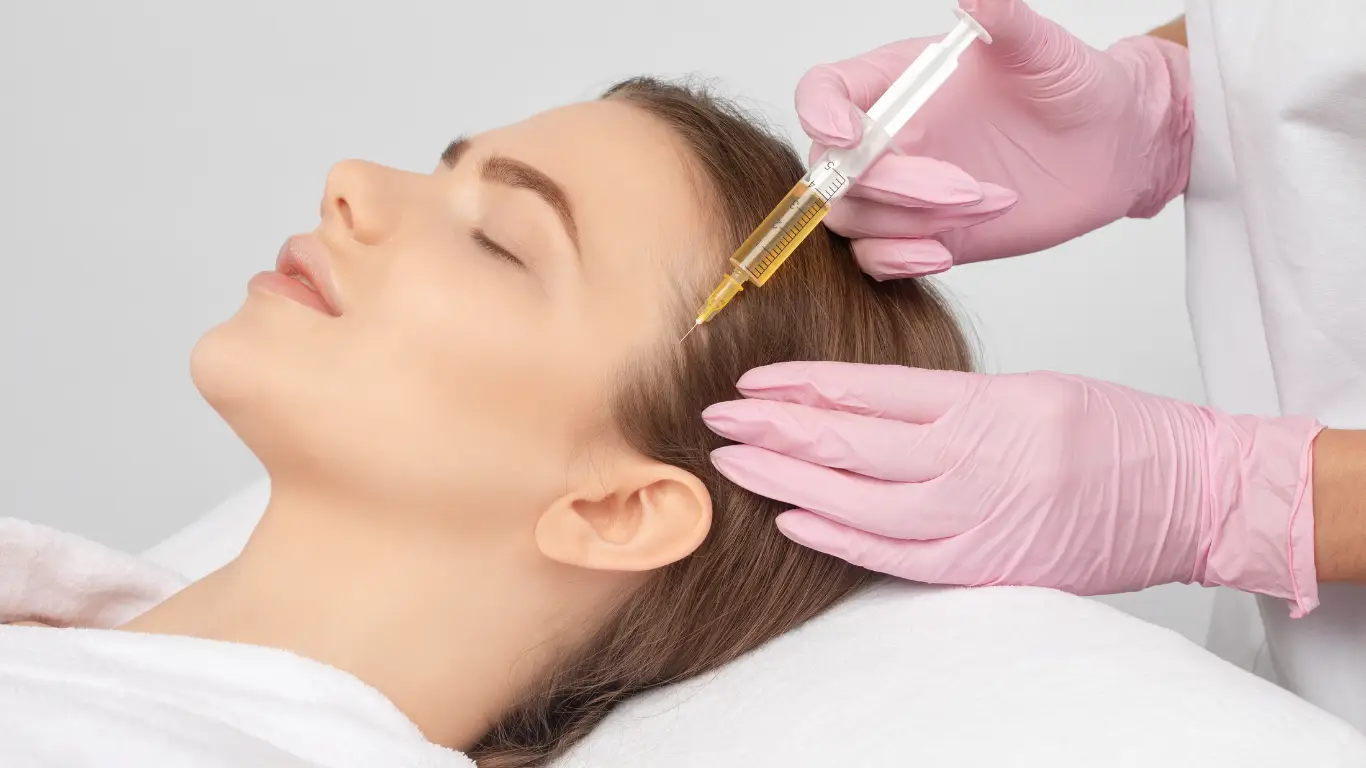
After preparation, the provider places the PRP into the treatment area. The method depends on the setting and the goal. In some cases, the provider injects the material into a joint, tendon, scalp, or soft tissue area. In others, the treatment supports a broader care plan. The basic concept stays the same: use a prepared blood product from the patient’s own sample in a controlled clinical setting.
Exploring PRP Applications
PRP therapy appears in multiple fields. Sports medicine, endocrinology, dermatology, and hair restoration all use it in selected situations. Its role varies by provider and by patient history, so no single plan fits every case. Possible PRP treatment areas include:
- Tendons and ligaments
- Joints and soft tissue
- Scalp and hair follicles
- Recovery plans after certain procedures
Examining Recovery Support
In recovery-focused settings, PRP usually serves as one part of a larger strategy. A provider may review the source of a physical issue, how long it has been present, and which steps have previously been tried. This review helps shape the overall treatment plan. PRP can help with several conditions; this includes osteoporosis and tendonitis. Follow-up also plays a role. The provider may track progress over time, revise activity guidance, and coordinate PRP with other services such as rehabilitation or supervised exercise.
Reviewing Hair Growth
PRP also appears in hair restoration settings. The provider evaluates the scalp, reviews the pattern of hair thinning, and identifies the treatment area. Then the clinician places the prepared plasma into selected parts of the scalp.
Hair-focused PRP plans can differ from clinic to clinic, but providers typically schedule several sessions across a set period, then reassess the next steps. Because hair growth concerns vary by person, a proper evaluation remains fundamental. A provider may also review related factors such as medical history, scalp condition, and current treatments before outlining a course of care.
Choosing Qualified Providers
PRP therapy is a specialized procedure that relies on careful preparation, clinical judgment, and precise application techniques. Because results can vary based on the patient’s condition and treatment goals, a thorough evaluation by a qualified medical professional is key. Before pursuing PRP therapy, patients should discuss expected outcomes, potential risks, treatment timelines, and candidacy requirements. Schedule a detailed consultation with an experienced provider today.