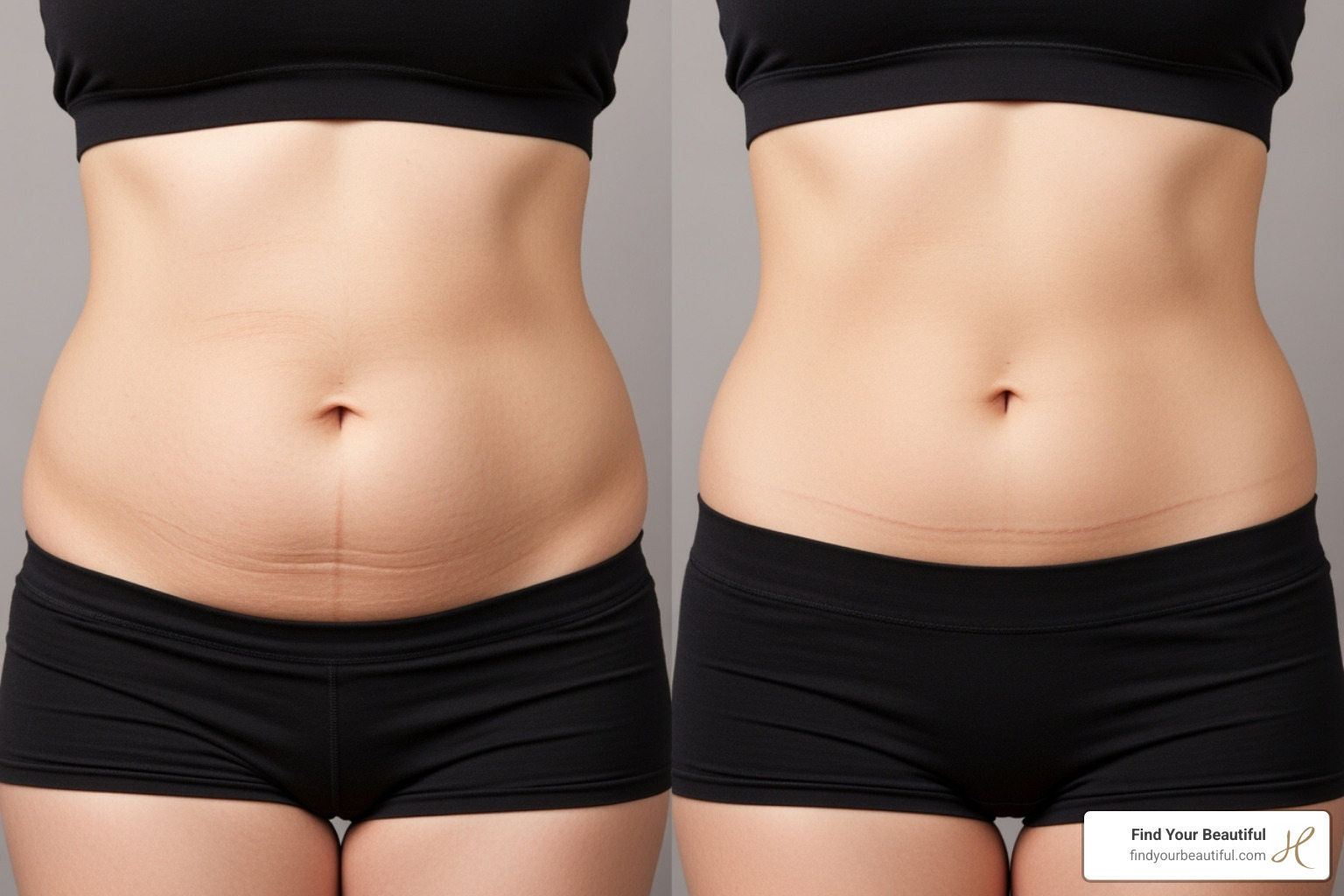

A tummy tuck, or abdominoplasty, removes excess abdominal skin and may tighten weakened or separated abdominal muscles. This procedure is often performed for patients who have loose skin after significant weight loss or pregnancy. During the consultation process, the surgeon reviews medical history, evaluates the abdomen, and determines whether the patient is a suitable candidate for surgery. Here is information about exploring the benefits and risks of a tummy tuck:
The Procedure
A tummy tuck is performed under general anesthesia for patient comfort throughout the surgery. Once the patient is asleep, the surgeon creates a horizontal incision in the lower abdomen. The length of the incision depends on the amount of excess skin and tissue being addressed. Throughout the procedure, the surgical team monitors vital signs to support patient safety.
After making the incision, the surgeon lifts the abdominal skin to access the underlying muscles. If the abdominal muscles have separated, they may be tightened and repaired to improve support in the midsection. Excess skin is then removed, and the remaining tissue is repositioned to create a smoother abdominal contour. The surgeon closes the incision with sutures and prepares the patient for recovery.
The Benefits
A tummy tuck can improve abdominal contour by removing excess skin and addressing weakened abdominal muscles. Many patients notice a firmer midsection after recovery, and the procedure helps to enhance physical comfort by improving core support. Results sometimes last for many years when patients maintain a stable weight through healthy lifestyle habits. Because future pregnancies and significant weight changes can affect outcomes, providers often recommend timing the procedure appropriately. Potential benefits of a tummy tuck include:
- Creating a firmer abdominal profile
- Removing excess skin
- Reducing stubborn fat deposits
- Strengthening abdominal muscle support
- Improving overall abdominal contour
- Supporting long-term results with weight stability
The Risks
As with any surgical procedure, a tummy tuck involves potential risks that patients should discuss with their surgeon before treatment. Possible complications may include infection, bleeding, delayed healing, or blood clot formation, although the likelihood varies among individuals. The procedure also results in permanent scarring, which typically fades over time but does not disappear completely. Surgeons generally place incisions in areas that can be concealed by most clothing to help minimize scar visibility.
The Recovery
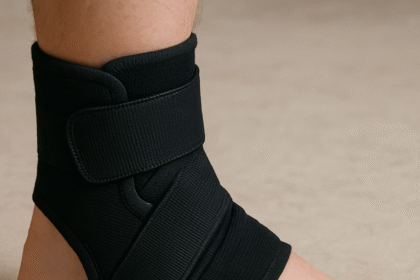
After surgery, the medical team places dressings over the treatment area and may provide a compression garment to wear during recovery. This garment helps manage swelling and supports the healing tissues. During the first several days, patients are encouraged to rest and follow their surgeon’s post-operative instructions carefully. Sleeping with the upper body slightly elevated may help reduce tension on the abdominal area and improve comfort.
Recovery progresses gradually over the following weeks. Surgical drains, if used, are typically removed during an early follow-up visit once drainage decreases. Many patients return to work and light activities within a few weeks, although recovery timelines vary. Strenuous exercise, heavy lifting, and other demanding activities are usually restricted until the surgeon determines that healing has progressed appropriately.
Schedule Your Tummy Tuck Consultation
Patients seeking body contouring procedures benefit from a personalized surgical plan based on their individual anatomy and goals. Comprehensive evaluations help surgeons determine the most appropriate approach and explain what results may be achievable. During the consultation process, patients are able to ask questions about the procedure, recovery, and expected outcomes. Contact a medical office today to schedule an evaluation and learn more about your treatment options.