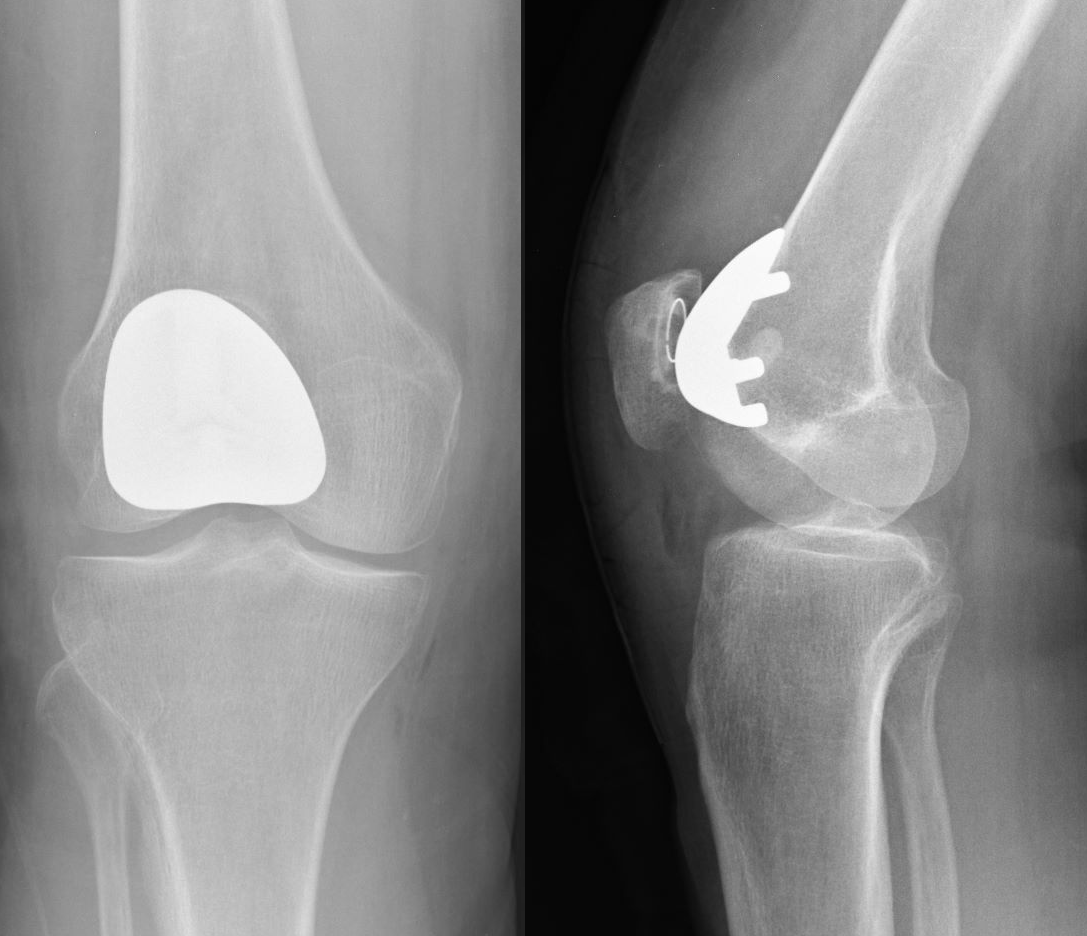

Recovering from joint replacement surgery is a significant undertaking. Patients may benefit from their surgeon using robotic-assisted surgical techniques. Robotic joint replacement has improved some outcomes for orthopedic surgery, and it offers greater precision and the potential for shorter recoveries. Here is more information about the impact of robotic surgery on recovery times for joint replacement procedures:
Purpose of Joint Replacement
Joint replacement surgery addresses damage to joints caused by arthritis, injury, or general wear. Robotic joint replacement builds on this foundation by adding a layer of technological precision to the procedure. The surgery itself involves removing damaged cartilage and bone; the surgeon then replaces the joint with an artificial implant made from metal, plastic, or ceramic components. Orthopedic surgeons recommend this procedure when pain and loss of mobility significantly affect a patient’s daily life, and when other treatments have not achieved the desired results.
Joint Replacement Surgeries
Several joint replacement procedures benefit from robotic assistance. Some examples include:
- Knee replacement
- Hip replacement
- Shoulder replacement
Each surgery carries its own recovery timeline, but robotic assistance has shown promise in improving outcomes across all three.
Role of Robotic Assistance
Robotic-assisted surgery uses a robotic arm and specialized software to help orthopedic surgeons plan and execute joint replacement with a high degree of accuracy. Before the operation, the surgeon uses imaging data to create a 3D model of the patient’s joint; this model guides the robotic system during surgery. The robotic arm does not operate on its own; the surgeon controls it throughout the procedure. Because the robotic system makes real-time adjustments and has a greater range of motion than a human hand, the surgeon may achieve more precise implant placement than with traditional manual techniques.
There are several ways orthopedic surgeons apply robotic assistance in joint replacement:
- Pre-surgical planning: The software maps out the patient’s unique anatomy, so the surgeon can determine the ideal implant size and position before entering the operating room.
- Intraoperative guidance: During surgery, the robotic arm provides haptic feedback and real-time data, which help the surgeon stay within the planned boundaries and protect surrounding tissue.
Recovery After Robotic Surgery
Precise implant placement reduces trauma to the surrounding muscles and soft tissue, and this is where robotic-assisted surgery can affect recovery times. Patients who undergo robotic joint replacement may experience less postoperative pain, reduced blood loss, and less need for pain medication compared to those who have traditional surgery. The tissue around the joint sustains less trauma, so physical therapy can often begin sooner.
Some patients who have robotic-assisted knee replacement are discharged from the hospital sooner than those who undergo conventional procedures. The alignment of the implant may also affect long-term outcomes. A well-positioned implant tends to function better. Recovery does vary based on the patient’s overall health, age, and commitment, but robotic precision helps to achieve a predictable recovery trajectory.
Learn More About Robotic Joint Replacement
Robotic-assisted joint replacement is one advancement in orthopedic surgery; it combines surgical expertise with technology to improve precision and support faster recovery. Depending on the procedure, a joint replacement may be full or partial. If you want to learn more about robotic joint replacement surgery, consult an orthopedic surgeon near you.