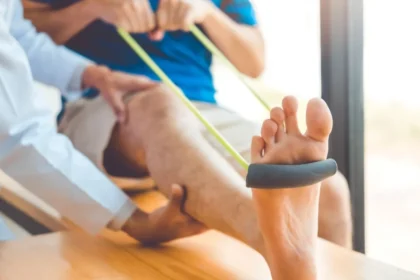

Back pain is a common physical complaint reported across all age groups. It can stem from muscle strain, poor movement patterns, or prolonged static positions. Because the spine supports nearly every motion the body performs, even minor habits affect its long-term condition. Several practical measures exist to reduce the risk of back pain during routine activities.
Building Core Strength
The core consists of the abdominal, oblique, and lower-back muscles that stabilize the spine during movement. When these muscles maintain adequate strength, the load placed on the vertebral column is distributed more evenly to reduce back pain. Strong supporting muscles reduce the pressure that the spine has to carry. A balanced training routine targets each muscle group around the trunk rather than isolating a single area.
Exercises such as planks, bridges, and bird-dog movements activate the deep stabilizing muscles. A program that adjusts to improved strength allows the muscles to adapt, and rest periods between sessions support tissue recovery. Although progress varies between individuals, structured routines performed two to three times per week align with general fitness recommendations.
Maintaining Good Posture
Posture describes the alignment of the body during sitting, standing, and movement. Misalignment over extended periods places uneven stress on spinal discs and connective tissue, contributing to pain. Poor seated positions are frequently linked to lower-back discomfort, and lack of movement can increase strain. A neutral spine, with the ears, shoulders, and hips roughly aligned, keeps muscular tension balanced.
Workstation setup influences posture throughout the day, and small adjustments often correct common problems. A chair with lumbar support, a screen positioned at eye level, and feet placed flat on the floor reduce forward leaning. Regular position changes help to give back structures a break. Brief standing breaks every thirty to sixty minutes interrupt the static loading that accumulates during long periods of sitting.
Following Lifting Recommendations
Lifting technique determines how force travels through the spine during physical tasks. When an object is lifted with a bent back and straight legs, the lower spine absorbs a disproportionate share of the load. Bending at the knees shifts the effort to the larger leg muscles, and keeping the object close to the body shortens the lever arm acting on the spine.
The weight of an object affects the safest method of handling it. Heavy or awkward loads warrant assistance from another person or a mechanical aid such as a trolley, and they should not be attempted alone. Twisting while carrying a load increases strain on the spine. Pivoting with the feet, rather than rotating the trunk, keeps the spine in a more stable position.
Repetitive lifting introduces cumulative stress even when each individual lift appears manageable. Frequent breaks during repetitive tasks allow muscles to recover before fatigue sets in, because fatigue raises injury risk. A measured pace, combined with consistent technique, limits the gradual wear associated with manual handling over time.
Build a Back Pain Plan
A practical prevention plan combines daily methods to increase strength, and learning to move properly reduces the risk of strain. Because individual circumstances differ, adjustments can be made depending on occupation, activity level, existing conditions, and family history. Meet with a qualified spine specialist to discuss back pain prevention methods.