
Tooth loss affects millions of adults, and dentures are valuable solutions for restoring a complete smile. For patients evaluating this option, knowing what each type offers helps them make an informed decision. Here is more information on what dentures are, the different types available, how they function, who benefits from them, and the advantages they provide:
What Are Dentures?
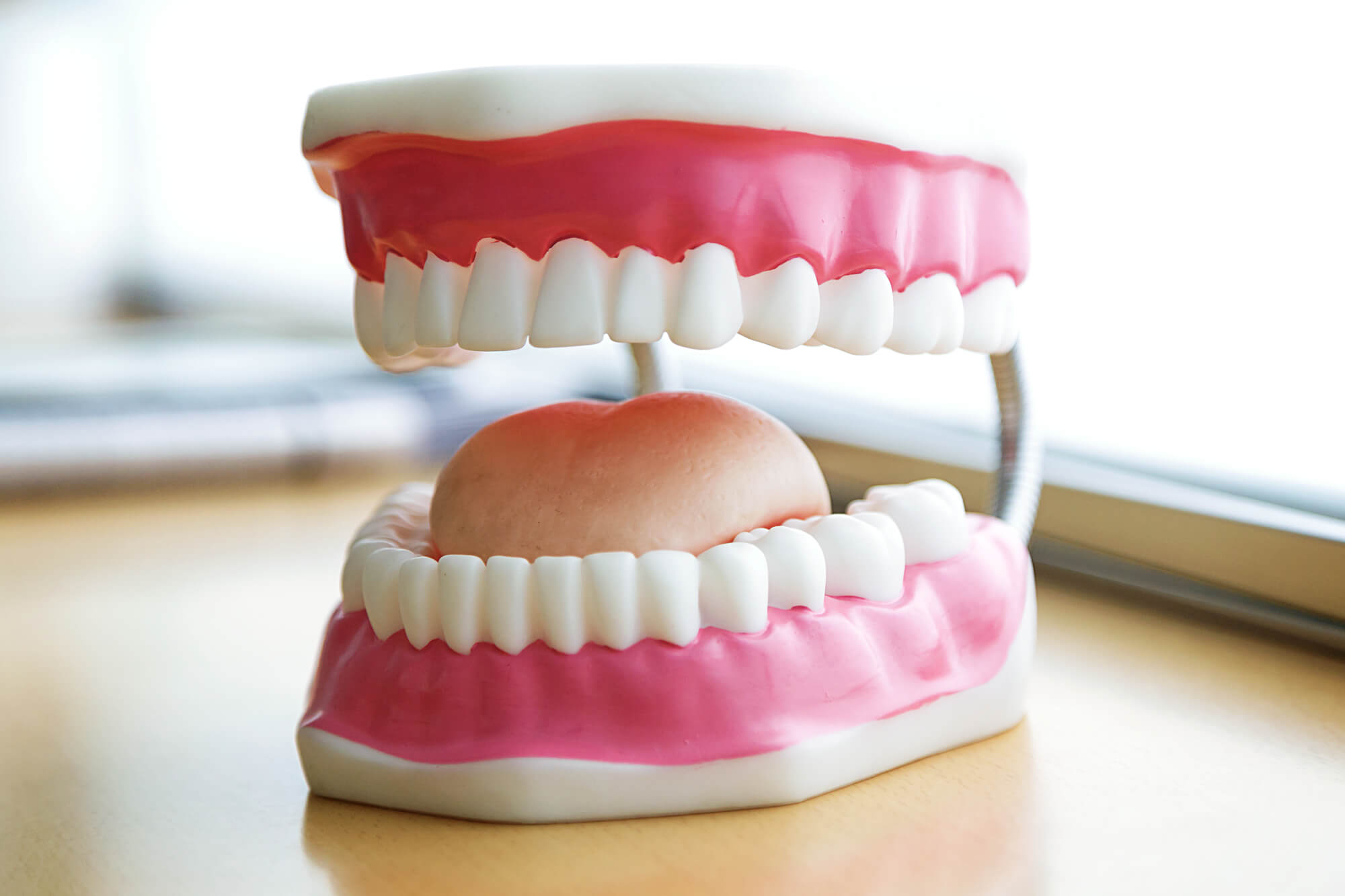
Dentures are removable or fixed appliances designed to replace missing teeth and the surrounding tissue. They are custom-made to fit the shape of the mouth, using a base that mimics the appearance of natural gums. Dentists craft these devices from impressions taken of the gums and remaining teeth. The result is a fitted appliance that restores both function and appearance. A well-made denture supports facial structure, and it helps patients speak and eat with greater ease.
What Are the Different Types?
Patients can choose among several categories of dental devices; each type addresses a specific situation. Partial dentures replace one or several missing teeth while the natural teeth remain in place. They attach to existing teeth using clasps, filling the gaps without affecting healthy teeth. Full dentures replace an entire arch of teeth on the upper or lower jaw. Dentists recommend these when all the teeth in an arch are missing or need to be removed.
Removable dentures can be taken out for cleaning and overnight soaking, making daily maintenance straightforward. Permanent dentures, often anchored by dental implants, stay fixed in the mouth, and they function much like natural teeth. The choice between removable and permanent options depends on jaw health and personal preference.
How Do They Work?
Dentures restore function by replacing the teeth and gum tissue lost through extraction, decay, or injury. Removable types rest directly on the gums, held in place by suction, natural muscle control, or a mild adhesive. The base distributes chewing pressure across the gums and any remaining teeth, and this improves functionality.
Permanent dentures work differently; dentists place titanium implants into the jawbone, which fuse with the bone over several months. The denture then attaches to these implants, creating a stable foundation that does not shift during eating or speaking. This anchoring method prevents the bone loss that often follows tooth extraction.
Who Do They Help?
Dentures assist a wide range of patients dealing with tooth loss. Adults who have lost teeth through gum disease, decay, or accidents are common candidates, and older patients who have experienced gradual tooth loss over many years also benefit from a restored bite. Patients with weakened or damaged teeth that cannot be saved may choose full dentures after extraction, improving their quality of life. A dentist evaluates gum health, bone density, and overall condition to determine which option is right for each situation.
What Are the Benefits?
Dentures provide several functional and aesthetic benefits for individuals with missing teeth.
- Restored Chewing Ability: Dentures allow for the consumption of a wider variety of foods, which supports better nutritional intake.
- Improved Speech Clarity: The presence of teeth is key for proper pronunciation, with dentures restoring clear speech.
- Facial Structure Support: Dentures support facial muscles, preventing the sunken appearance that can occur after tooth loss.
Permanent denture options offer enhanced stability and help to preserve the structure of the jawbone over time.
Consult a Dentist
Choosing the right denture depends on your individual dental health, lifestyle, and goals. Partial, full, removable, and permanent dentures each serve a distinct purpose, and the right choice varies from person to person. If you have missing teeth, schedule a consultation with your dentist.