
Varicose veins are enlarged, twisted veins that appear in the legs, and they develop when vein valves weaken and allow blood to pool rather than flow efficiently toward the heart. Factors like genetics, prolonged standing, and pregnancy raise the likelihood of developing them. For many patients, varicose veins cause discomfort, and they may signal underlying venous insufficiency that warrants medical attention. Some patients simply want them removed for aesthetic reasons; historically, treatment meant vein stripping surgery, an invasive procedure requiring general anesthesia and weeks of recovery. Today, minimally invasive techniques offer effective alternatives with far less downtime.
Ablation Methods
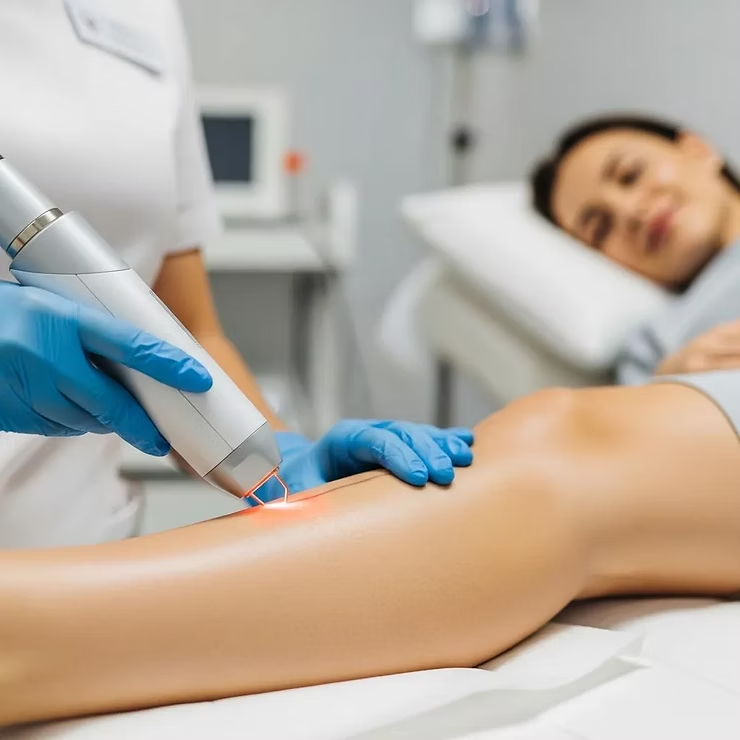
Endovenous laser ablation and radiofrequency ablation are two minimally invasive options for treating varicose veins. Both procedures close off the affected vein from the inside, which redirects blood flow to healthier surrounding veins. During endovenous laser ablation, a physician inserts a thin laser fiber into the vein through a small incision. The laser delivers targeted heat energy, and the vein walls collapse and seal shut. Radiofrequency ablation follows a similar principle but uses radiofrequency energy delivered through a catheter to heat and close the vein. Both procedures are performed under local anesthesia in an outpatient setting.
Adhesive and Foam
VenaSeal is a modern technique that uses a specially formulated medical adhesive to close unwanted veins. A physician delivers the adhesive into the vein through a small catheter, and the vein walls bond together permanently. The adhesive closes the vein, rerouting the blood to healthier veins nearby.
Microfoam injections, which are also known as ultrasound-guided foam sclerotherapy, are another effective method to treat varicose veins. This technique involves injecting a microfoam solution into the affected vein, and this causes irritation to the vein wall. The vein wall then collapses and seals shut. Over time, the treated vein is reabsorbed by the body, improving both the appearance and symptoms associated with varicose veins.
Recovery From Minimally Invasive Treatments
Recovery from these modern, minimally invasive methods can be shorter and less disruptive than recovery from traditional vein stripping. Compared to vein stripping, which required general anesthesia, hospital stays, and weeks away from normal activity, these newer techniques offer a quicker return to daily life. Some recovery aspects for minimally invasive treatments include:
- Most patients resume light activities on the same day as the procedure.
- The procedures require only local anesthesia and a brief treatment time.
- These procedures improve blood flow and reduce discomfort caused by varicose veins.
Patients may experience bruising and mild soreness, which generally resolve within one to two weeks.
Signs for Treatment
Not every varicose vein requires medical intervention, but certain symptoms suggest that a vascular evaluation would be beneficial:
- Persistent aching, heaviness, or cramping in the legs, especially after standing for long periods
- Swelling in the lower legs or ankles that does not improve with rest
Symptoms that worsen over time may indicate chronic venous insufficiency. Early evaluation can prevent future complications.
Learn More About Varicose Veins
Advances in vascular medicine have made it possible to treat varicose veins effectively without the risks and recovery associated with open surgery. Modern methods are faster, and they are less invasive than the surgical options of the past. If you want to learn more about treatment, consult a vascular specialist near you.