

The veins in your legs work against gravity each day to return blood toward your heart. When the small valves inside these veins stop working as they should, blood can pool in the lower legs. This condition is known as chronic venous disease, and it affects a large number of adults. Learning what to watch for and how a vein specialist approaches care can help you make informed decisions about your health.
What Is Chronic Venous Disease?
Chronic venous disease describes a group of problems that occur when the veins in your legs struggle to move blood back up to the heart. Healthy veins rely on one-way valves that open to let blood pass, and they close to stop it from flowing backward. When those valves weaken or become damaged, blood may move in the wrong direction and collect in the lower legs. This buildup of pressure is sometimes called venous insufficiency.
Several factors can raise the likelihood of developing this condition, including family history, prolonged standing or sitting, pregnancy, and changes that come with age. Carrying extra weight and leading a less active lifestyle may also contribute over time. The condition tends to progress gradually, and understanding where you fall on that range begins with a proper evaluation from a provider.
What Are the Symptoms?
The signs of chronic venous disease vary from person to person. Some people notice visible changes, and others feel discomfort before anything becomes obvious. Recognizing these symptoms early gives you a head start on seeking care, including:
- Veins that are visible, such as spider veins or larger, rope-like varicose veins
- Swelling in the ankles or lower legs
- Aching, heaviness, or fatigue in the legs after standing for long periods
- Itching around affected veins
- Cramping, particularly at night
- Skin changes, including discoloration or dryness near the ankles
Symptoms can ease when you elevate your legs or move around, since activity helps blood flow more freely. The skin may become leathery, or they will develop sores that are slow to heal in more advanced cases. Scheduling a visit with a vein specialist allows you to understand what is happening and review your options.
How Does a Vein Specialist Treat It?
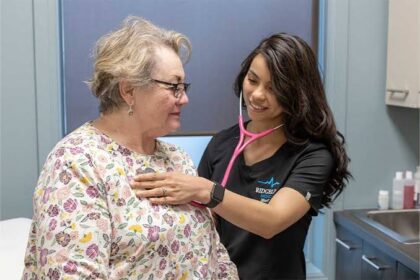
A vein specialist, sometimes called a vascular specialist, focuses on conditions that affect the veins. The first step usually involves a thorough evaluation. This may include a review of your medical history, a physical exam, and an ultrasound to observe how blood moves through your veins. These steps help the specialist understand the source of the problem, and they can plan an appropriate approach. Treatment options depend on the severity of the condition and your overall health.
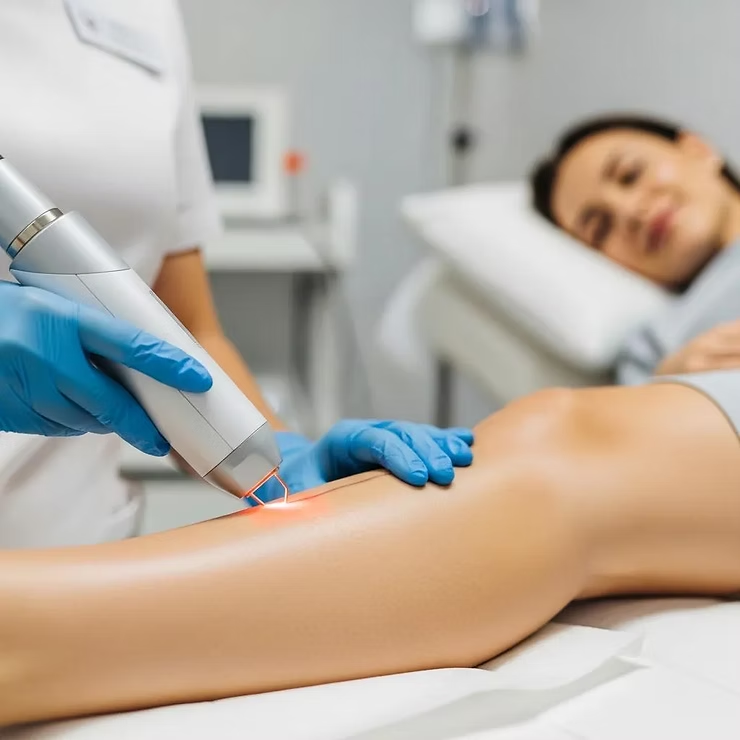
Specialists often recommend simple adjustments first, and these may include wearing compression stockings, raising the legs throughout the day, staying physically active, and managing body weight. Such steps support better circulation and can relieve discomfort. When conservative care is not enough, several office-based procedures may be available.
These techniques can close off or remove problem veins, allowing blood to reroute through healthier ones. Some of these treatments use heat, and they may involve short recovery times. Your specialist can answer your questions before you choose a path.
Meet With a Vein Specialist
Chronic venous disease is a common condition, and care may be accessible to those affected. A personalized evaluation gives you a clear picture of your vein health and the choices that fit your needs. Acting early, rather than waiting for symptoms to advance, can lead to a wider range of options and effective management.