
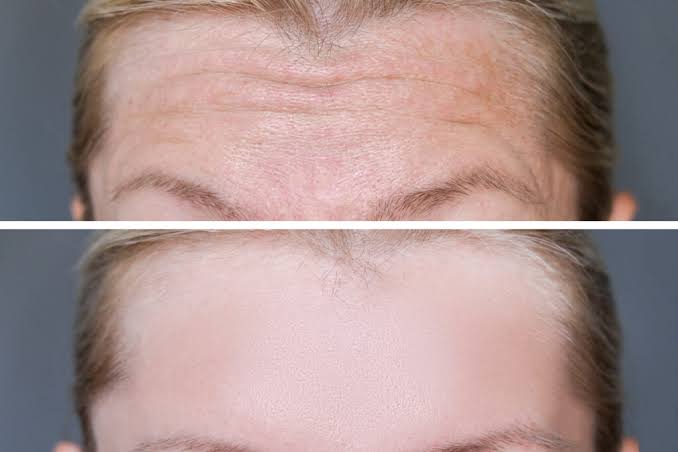

Botox is a cosmetic and medical treatment that temporarily relaxes targeted muscles to reduce the appearance of wrinkles. It may serve as a preventive treatment or provide short-term symptom relief, depending on how and why it is used. Here is an overview of whether Botox is a preventative treatment or a quick fix:
How Does Botox Work?
Botox targets the small muscles that contract each time you frown, squint, or raise your brows. When a provider injects the protein into those muscles, it blocks the signals that tell them to move, and the overlying skin relaxes as a result. The lines that form from repeated motion soften, though the effect stays limited to the treated area. A provider studies your muscle patterns first, then places small doses in precise locations to keep your expressions looking natural. The goal is balance, so your face still moves in a way that feels like you.
Is Botox Immediate or Preventative?
When reviewing Botox treatments, it is fundamental to distinguish between addressing existing wrinkles and using the product as a preventative measure. Each approach offers unique benefits and targets different stages of skin aging. Here is a closer look at immediate and preventive applications.
Immediate Use
Immediate Botox treatments focus on minimizing the appearance of existing dynamic wrinkles, such as forehead lines or crow’s feet. The treatment smooths out these lines during facial movements by relaxing the targeted muscles. This approach is ideal for individuals who already notice distinct signs of aging and wish to reduce their prominence.
Preventative Use
Preventive Botox is designed for younger individuals who aim to delay the onset of visible wrinkles. It works by reducing repetitive muscle movements that contribute to wrinkle formation over time. This method is most effective when started early, before dynamic lines become etched into the skin. Preventive treatments are generally administered at smaller doses for subtle and long-term benefits.
How Long Does Botox Last?
Botox does not last forever, and its effects fade as your body slowly processes the protein. Most results hold for roughly three to six months, though the exact window varies by person, dose, and treated area. When the effect wears off, muscle movement returns, and the lines gradually reappear unless you repeat the treatment.
The treatment also has clear limits that influence what it can and cannot do for you. Botox addresses movement-related lines well, but it does little for volume loss or lines caused by sun damage. A provider reviews your face, and they will tell you when another approach may suit your concern better than Botox alone.
What Is the Long-term Plan?
A long-term plan helps you maintain subtle results, and it prevents the sudden return of lines between sessions. Your provider tracks how your muscles respond, and they adjust doses or timing so your outcome stays consistent. This methodical approach keeps your expressions natural while it supports your goals over time. Here are key factors that inform a long-term routine:
- Treatment frequency: Adults often return every three to four months, though your provider sets the interval based on how long your results last.
- Dose adjustments: Your provider may refine the amount over time as they learn how your muscles react, which keeps results balanced.
- Area priorities: You and your provider decide which lines to treat first, and you can expand or narrow the plan as your needs change.
Schedule Your Botox Consultation
Botox works as both a quick fix for visible lines and a preventive tool that slows new ones. Its effects are temporary, so a long-term plan keeps your results subtle and consistent over time. You can make sure that your results align with your preferences over time by working with your provider to set clear goals and prioritize treatment areas. Contact a reputable medical spa near you to schedule your Botox consultation today.