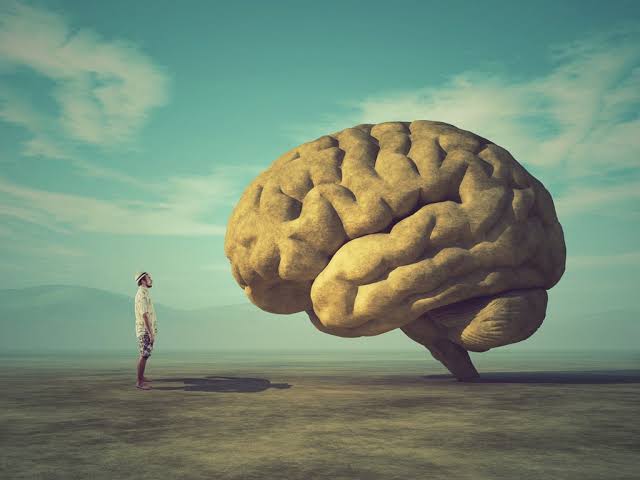

Brain injuries can cause lasting changes to cognition, behavior, and physical function. The long-term effects vary based on injury severity and location, and they potentially disrupt memory, mobility, and emotional regulation simultaneously. When patients receive appropriate rehabilitation and specialist support, they can often manage their symptoms more effectively and maintain their overall quality of life. Here is more information on the long-term effects of brain injuries:
What Are Brain Injuries?
A brain injury occurs when normal brain function is disrupted by an external force, lack of oxygen, or internal damage such as bleeding or swelling. Traumatic brain injuries (TBIs) result from physical trauma, and acquired brain injuries (ABIs) stem from internal events like strokes, tumors, or infections. While TBIs are caused by falls, vehicle accidents, or sports impacts, ABIs originate from within the body itself. Both types range from mild to severe. The degree of damage does not always correlate with visible physical symptoms, which makes early assessment particularly beneficial.
What Are the Symptoms?
Symptoms vary depending on the injury’s location and severity; common early signs include headaches, dizziness, confusion, and sensitivity to light or sound. Some patients may experience memory gaps or sudden mood changes. Physical symptoms such as nausea, fatigue, and sleep disturbances may accompany cognitive symptoms, which makes isolating a single cause more complex. Early recognition of these signs supports more timely intervention.
In cases of moderate to severe injury, symptoms may extend to speech difficulties, seizures, or partial paralysis. Not all symptoms appear immediately; some develop or worsen in the days and weeks following the initial injury, which is why monitoring and follow-up care are recommended. Clinicians sometimes advise continued observation even when initial assessments appear unremarkable so that they can identify delayed-onset cases.
What Are the Long-term Effects?
The long-term effects of brain injuries are wide-ranging. These effects can persist for months, years, or permanently, and they vary depending on the nature and severity of the injury. When cognitive functioning is affected, individuals may experience lasting memory impairment, slower processing speed, and difficulty sustaining attention. Emotional and behavioral changes such as increased irritability and impulsivity also occur and can be as disruptive as physical limitations.
Neurological complications present another long-term effect; post-traumatic epilepsy develops in some TBI patients, particularly those with severe injuries. Chronic pain, hormonal disruption, and an increased risk of neurodegenerative conditions may be experienced. While the brain’s capacity for neuroplasticity means some recovery is possible, the extent of that recovery varies between individuals.
How Is Daily Life Changed?
Daily life after a brain injury sometimes requires adjustments, and the extent of these changes depends on the severity of the injury. Tasks that were once automatic may become difficult. Driving, managing finances, and maintaining a work schedule are common examples of activities that some patients struggle to perform, particularly in the early stages of recovery. Fatigue is a persistent barrier. Relationships shift as family members and caregivers take on new roles, which can place strain on existing support networks.
Common areas where daily functioning is impacted include:
- Cognitive tasks: Reading, decision-making, and multitasking
- Physical activities: Balance, coordination, fine motor skills, and mobility
- Emotional regulation: Managing mood changes and behavioral responses
Consult a Specialist
Brain injuries produce effects that extend beyond the initial event, affecting a patient’s physical, cognitive, and emotional life. Symptoms can evolve over time, and a treatment plan that worked in early recovery needs adjustment as new challenges emerge. Rehabilitation may be most effective when it is tailored, consistent, and guided by professionals who specialize in neurorehabilitation. If you experience a brain injury, speak with a neurorehabilitation specialist.