
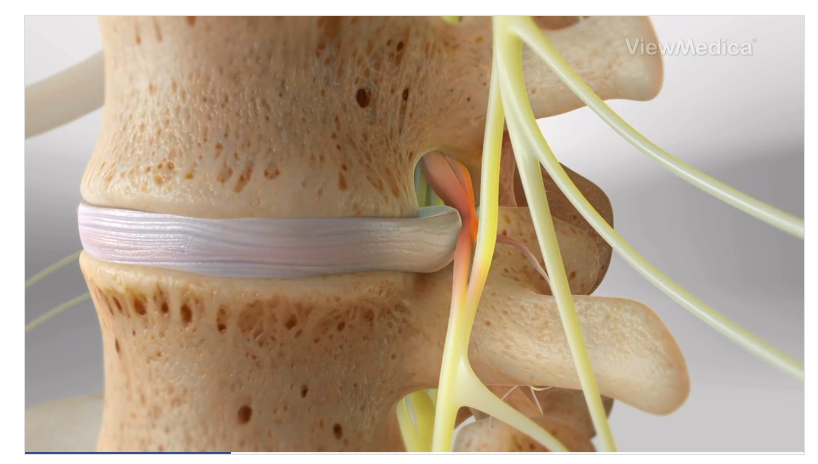

The human spine relies on intervertebral discs to provide flexibility and cushion the individual vertebrae. When these soft structures degrade because of age, genetics, or acute injury, the resulting nerve compression can cause debilitating neck or lower back pain. To address this discomfort and restore structural stability, medical providers offer multiple surgical interventions, like disc replacement surgery. Surgical techniques have advanced from the traditional methods.
What Is Disc Replacement Surgery?
Artificial disc replacement surgery is a specialized medical procedure targeted at treating a damaged intervertebral disc. During the operation, a surgeon removes the compromised organic disc and inserts a specialized synthetic implant. The main objective of this intervention is to decompress pinched nerves and actively maintain the spine’s natural mechanics.
Traditional spinal treatments can rely on fusing two adjacent vertebrae together to eliminate painful friction. Fusion stabilizes the spine effectively, but it permanently stops movement at that specific segment. A synthetic implant replicates the exact biomechanical function of a healthy disc, allowing the spine to flex, extend, and rotate without restriction.
What Can It Involve?
Advancements in minimally invasive techniques have changed how neurosurgeons execute this operation. Some contemporary disc replacements utilize an anterior approach and avoid making an incision in the back. For a cervical disc replacement, the surgeon makes a small incision at the front of the neck. For a lumbar disc replacement, the incision is placed on the abdomen.
Reaching the spine from the front presents anatomical advantages. The medical team can gently move blood vessels and abdominal organs out of the surgical pathway and avoid causing tissue damage. This pathway avoids the necessity of stripping away the dense layers of muscle situated along the back of the spine, preventing unnecessary damage that would require further recovery.
Once clear access is established, the surgeon utilizes precise instruments to extract the degraded disc material. They may also clear away any bone spurs pressing against the nerve roots. Following this decompression, the new artificial disc is anchored firmly into the vacant space. Advances in tissue management mean many patients can undergo this procedure in an outpatient setting and return home the same day.
What Are the Benefits?
Choosing a synthetic disc yields a variety of structural and lifestyle advantages and avoids undesirable factors associated with spinal fusion. A primary physiological benefit is the active preservation of spinal mobility. Because the targeted vertebrae remain independent, patients keep their full functional range of motion. In a fused spine, the segments located immediately above and below the rigid construct must absorb extra mechanical stress. Over time, this abnormal distribution of force can lead to accelerated degeneration in those adjacent discs. An artificial disc distributes forces naturally, reducing the likelihood of adjacent segment disease.
The minimally invasive anterior surgical technique also offers tangible recovery benefits. Because the back muscles remain undisturbed, patients generally experience less postoperative pain and minimal soft tissue scarring. The timeline for recovery is accelerated and allows individuals to return to their regular routines sooner. Following a cervical operation, patients might utilize a soft supportive collar.
Confer With a Surgeon
Maintaining spine health requires guidance from qualified medical professionals. Total disc arthroplasty provides a modern, motion-preserving solution for many patients, but it is not an appropriate intervention for everyone. To determine the most appropriate path forward, you should schedule a comprehensive consultation with a neurosurgeon. This detailed evaluation will clarify the exact source of your spinal pain and dictate the most effective surgical strategy.