
Lower back pain is a common complaint that can interfere with work, sleep, and everyday movement. It often develops from muscle strain caused by lifting or moving suddenly. Poor posture during long hours of sitting can also place stress on the spine over time. Other sources include herniated discs, arthritis, and nerve compression, each affecting the back in different ways. Many factors influence how back pain begins and how long it lasts, and identifying the underlying cause helps determine appropriate treatment options. Here’s information on some non-invasive treatment options for lower back pain conditions:
Starting Physical Therapy
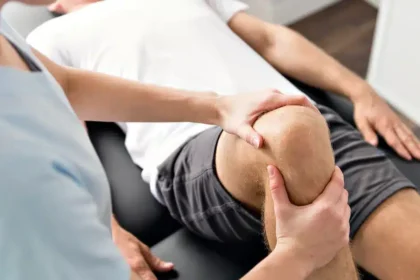
Physical therapy is frequently recommended as an early treatment step in managing lower back pain. A licensed therapist assesses your movement, posture, and strength before building a plan suited to your situation. The goal of physical therapy is to support the spine and reduce strain on the surrounding muscles, adjusting your care plan when needed.
Targeted Exercises
Therapists often guide patients through stretching and strengthening routines designed to improve mobility. These exercises focus on the core, since strong abdominal and back muscles help stabilize the spine. A therapist may adjust the program as your range of motion changes over the course of treatment, as you will be able to handle more advanced exercise options.
Manual Techniques
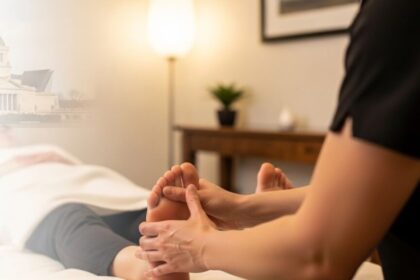
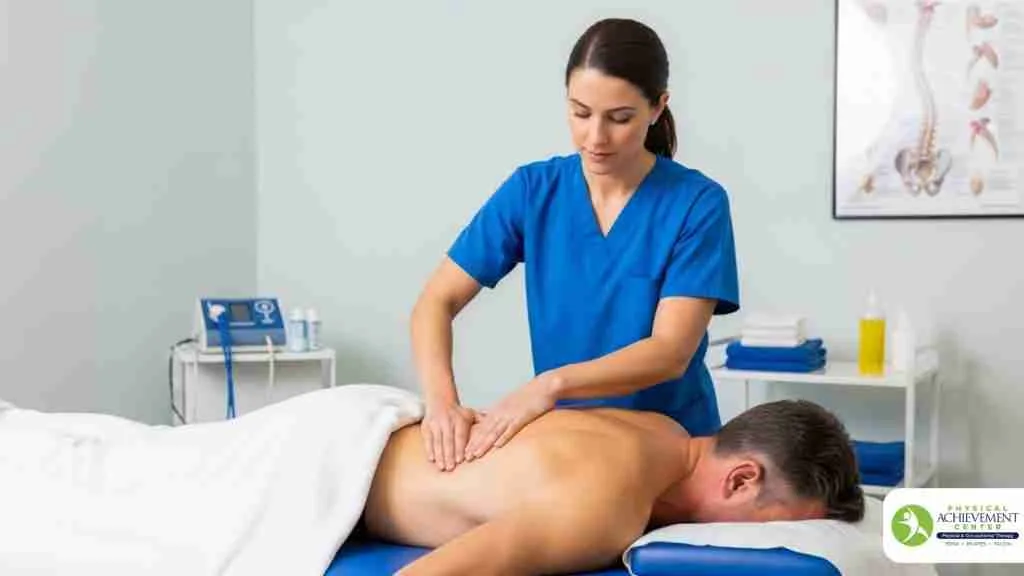
Hands-on methods, such as massage and joint mobilization, also support recovery. These techniques aim to ease tension in tight tissues and encourage circulation, promoting flexibility. A therapist tailors the pressure and approach based on your comfort and response. When back pain persists, other non-invasive treatment options may be recommended to add to your care plan.
Incorporating Medication Management
Medication can be part of a broader plan to manage lower back discomfort. A healthcare provider reviews your symptoms and medical history before suggesting any options. Common choices include over-the-counter pain relievers and anti-inflammatory drugs, and providers often explain how timing and dosage relate to your individual needs. Some people may receive prescriptions for muscle relaxants when appropriate, but prescriptions require regular check-ins, allowing your provider to track how your body responds. Sharing details about side effects or changes in pain helps guide future adjustments.
Trying Radiofrequency Ablation
Radiofrequency ablation is a minimally invasive procedure that targets nerves involved in pain signaling, so it doesn’t involve any incisions. It uses heat created by radio waves to interrupt those pain signals. Many people discuss this option after exploring other pain management approaches with their provider. During this procedure, a provider inserts a thin needle near the targeted nerve, and imaging guidance helps confirm accurate placement. The needle then delivers energy to the chosen area.
This procedure usually takes place in an outpatient setting and does not require a hospital stay, but recovery varies from one person to another. Some individuals resume normal activities within a few days, while others need additional time to feel ready. Your provider will describe what to expect and share guidance for the days that follow.
Learn More About Lower Back Pain
Lower back pain can affect many aspects of daily life, but several non-invasive options are available to help manage it. Physical therapy, medication management, and radiofrequency ablation each take a different approach based on the source and severity of discomfort. The appropriate path for you depends on your individual circumstances and the guidance of a qualified provider. To learn more about your back pain treatment options, contact a pain management specialist for a consultation. Speaking with a healthcare professional can help you understand which option may suit your situation, and an honest conversation about your symptoms supports more informed decisions.